 English
 Indian
 العربية
 Español
 Deutsch
 Türkçe
 Русский
 Français (Afrique)

Bungie reduserer hovedkontoret sitt drastisk etter noen vanskelige år
Det er allment kjent at Bungie har hatt store problemer på flere områder, at Destiny-serien ikke har prestert like godt som før, og at selskapets hovedprosjekt, Marathon, heller ikke har tiltrukket seg store mengder spillere. Dette har ført til betydelige nedbemanninger, og kort tid etter at Sony kjøpte selskapet, hadde det rundt 1 600 ansatte, mens tallet i dag angivelig ligger på rundt 500.
Dette har selvfølgelig konsekvenser, og The Game Post melder nå at selskapet har lagt ut sitt nesten 20 000 kvadratmeter store anlegg i Bellevue for fremleie. Studioet bekrefter dette selv i en uttalelse, der det påpekes at selv om det vil forbli i Bellevue, vurderer det nå alternativer:
«Bungie utforsker muligheter for å fremleie anlegget sitt i Bellevue, Washington. Studioet gikk over til en «digital-first»-modell for flere år siden, og dette trekket gjenspeiler teamets skiftende behov på arbeidsplassen og effektiviteten i det eksterne samarbeidet. Bungie vil fortsatt opprettholde en fysisk kontortilstedeværelse i Bellevue.»
Hva som vil skje med Bungie fremover, er fortsatt uklart. Sony kjøpte selskapet for 3,6 milliarder dollar, og mange fans mener at dette kan ha vært en tvilsom beslutning. På tidspunktet for oppkjøpet arbeidet Bungie angivelig med seks spill, selv om de fleste av dem ser ut til å ha blitt skrotet, ifølge en ny rapport.
'If you're designing an RPG, you have to go back to the source:' The post-apocalyptic RPG Entropy takes notes from Fallout and a long-abandoned Warhammer spinoff
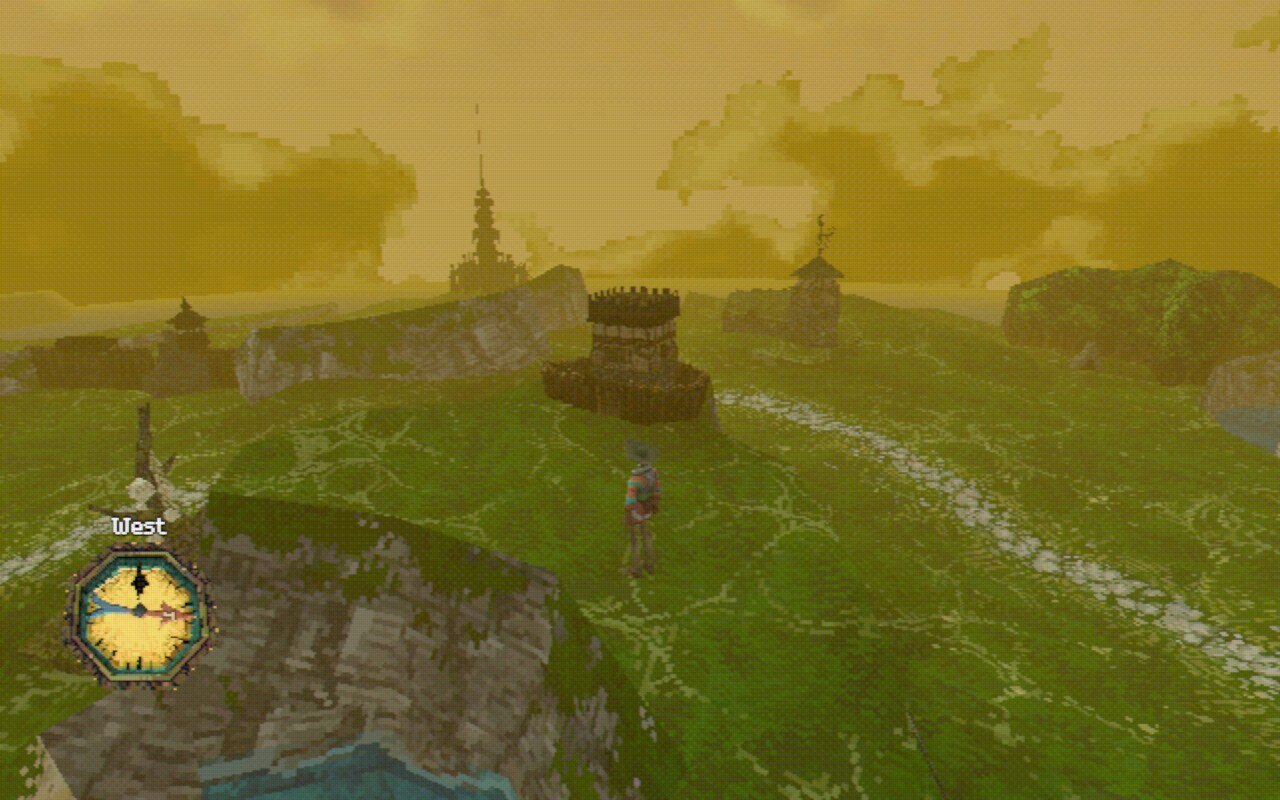
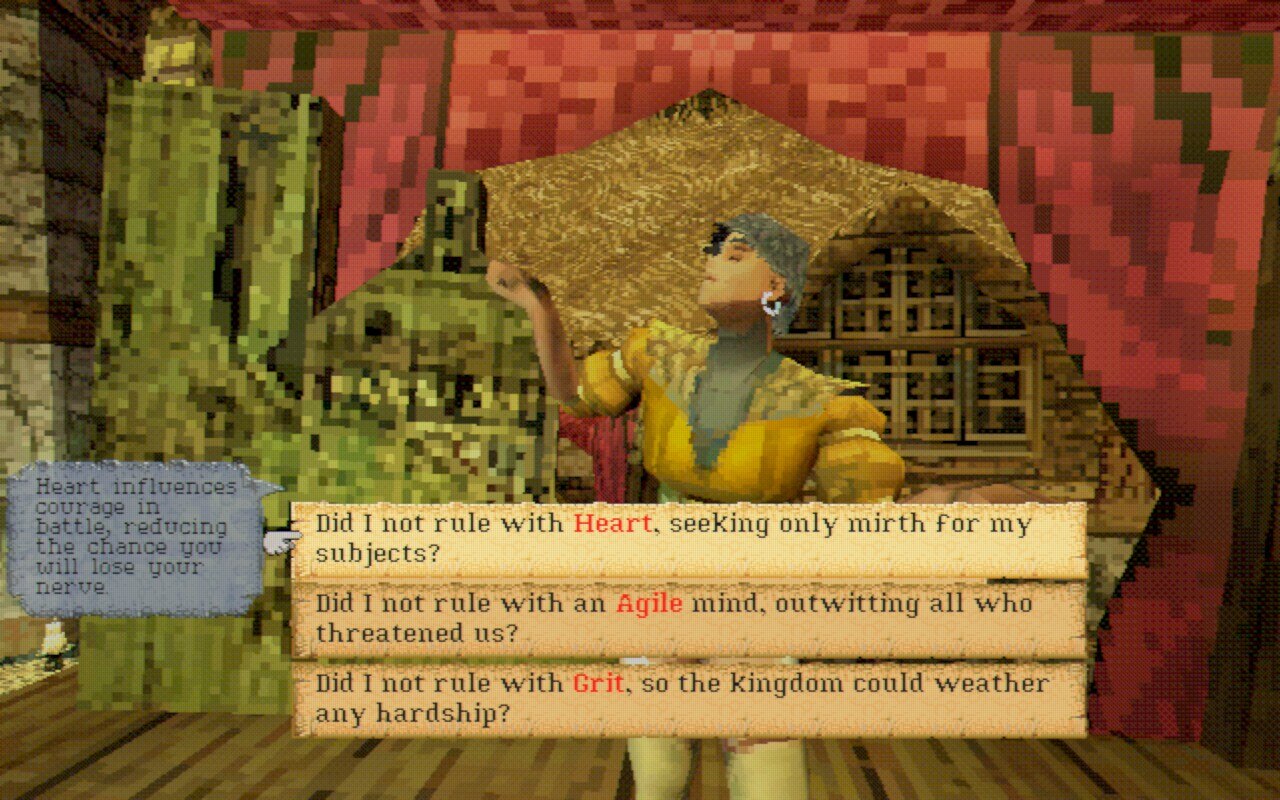
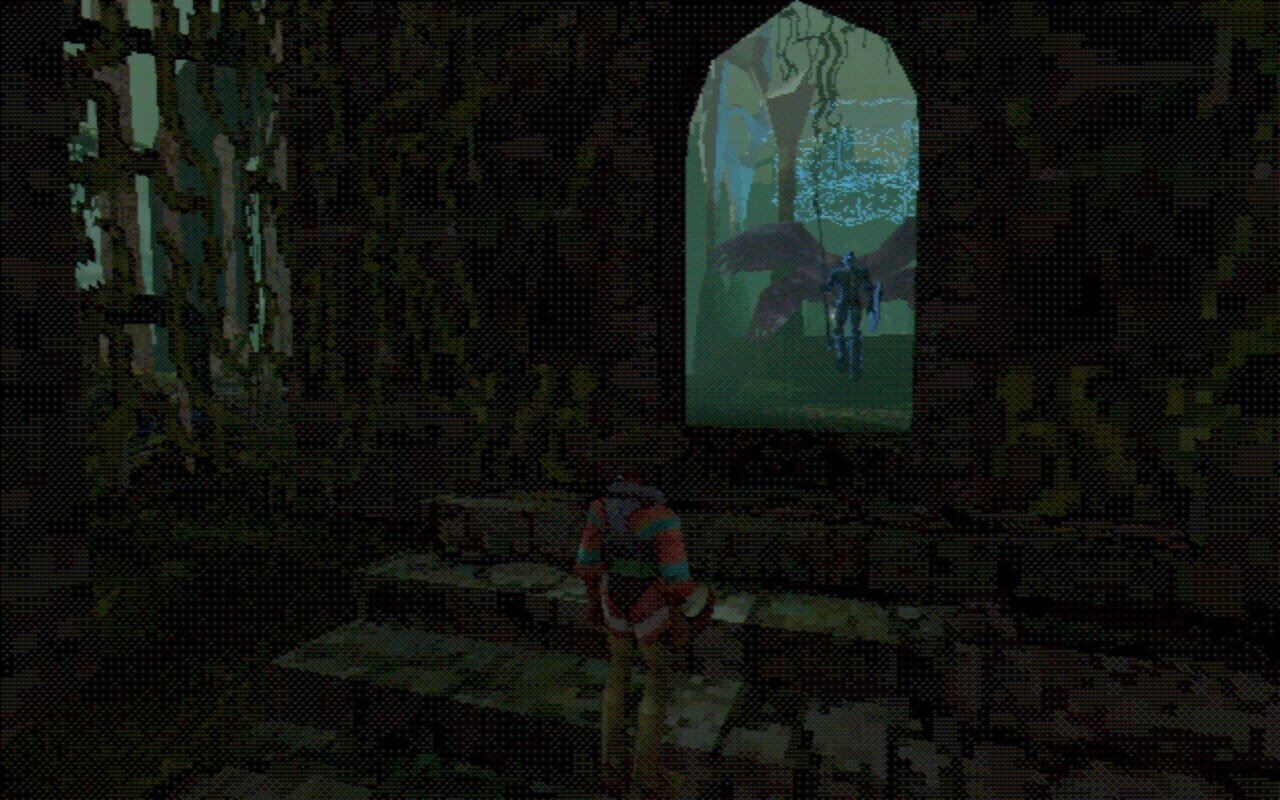
The early access RPG Entropy is a very different beast to its developers' previous work. Dread Delusion was a shockingly good homage to first person RPGs like King's Field or The Elder Scrolls, while this new game is distinctly JRPG-inflected, nailing a lot of the feel and intangibles of something like Final Fantasy 10 or Lost Odyssey.
But you can't just put it into the JRPG bin and call it a day. Entropy boasts a large party size for tactical battles, permadeath, locational damage, as well as an approach to reactivity and storytelling that feels more PC gaming than PS2 gaming. When I spoke to lead developer James Wragg recently, he told me that's very deliberate. umafrika.club
"In many ways, if Dread Delusion was my take on The Elder Scrolls, then this is my take on Fallout," Wragg said. "The original Fallout, Fallout 1, is one of my favorite games, and we're riffing on that quite a lot with Entropy."
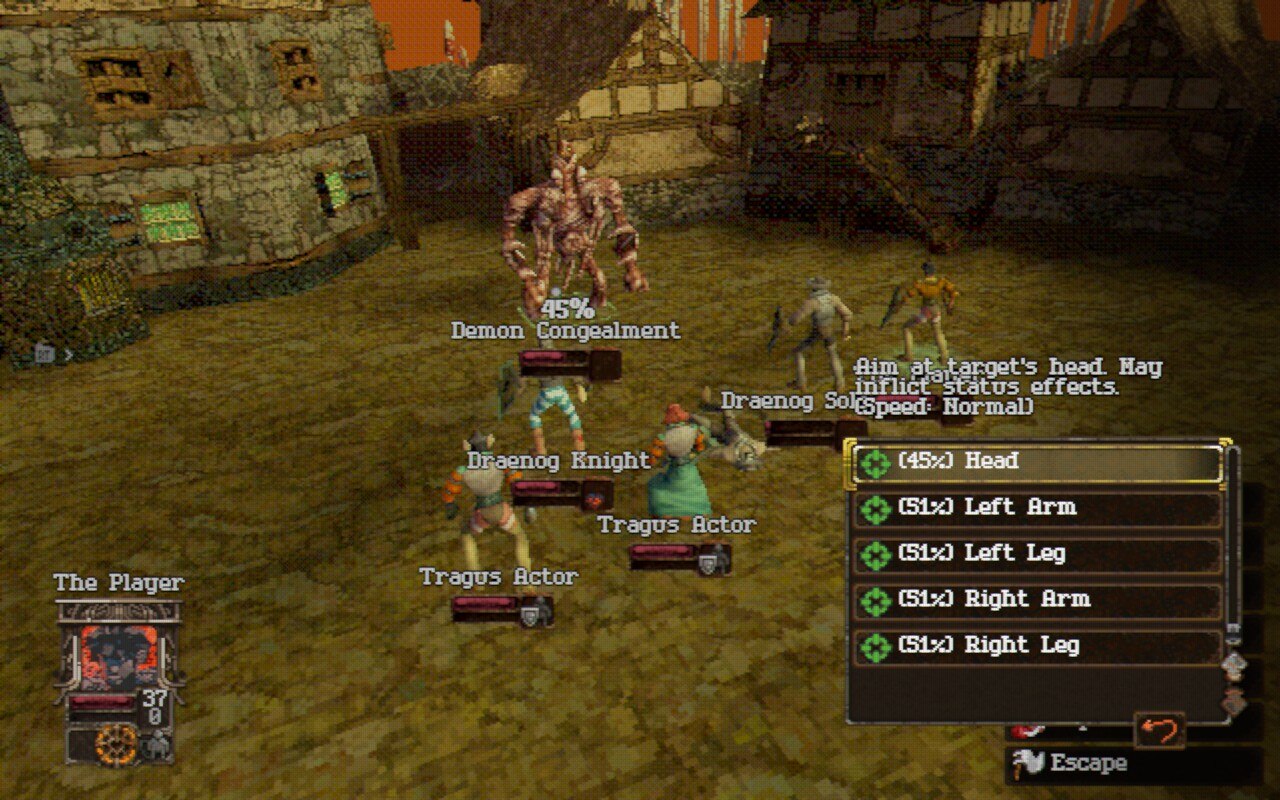
Having played Entropy's demo and a bit of early access, I immediately got what he meant. Part of that inspiration is visible in the locational damage system, similar to OG Fallout's called shots (what would eventually become VATS in the 3D games).
You can incur a penalty to accuracy to target a specific limb or zone on an enemy, to the benefit of greater damage or inflicting a debuff. Wragg provided the examples of how it might work in more advanced battles: disarming a foe with an especially powerful weapon, or shredding the bulbous Resident Evil weakpoint of a mutated enemy.
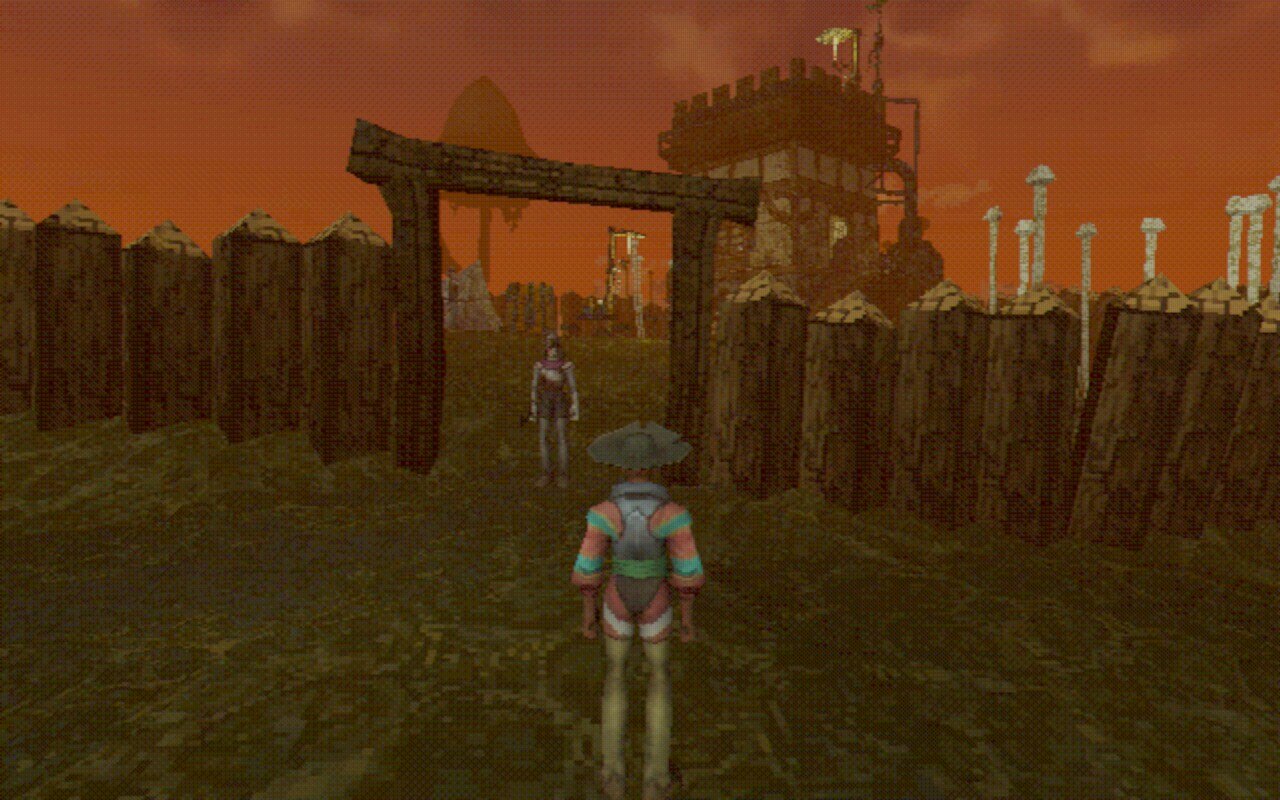
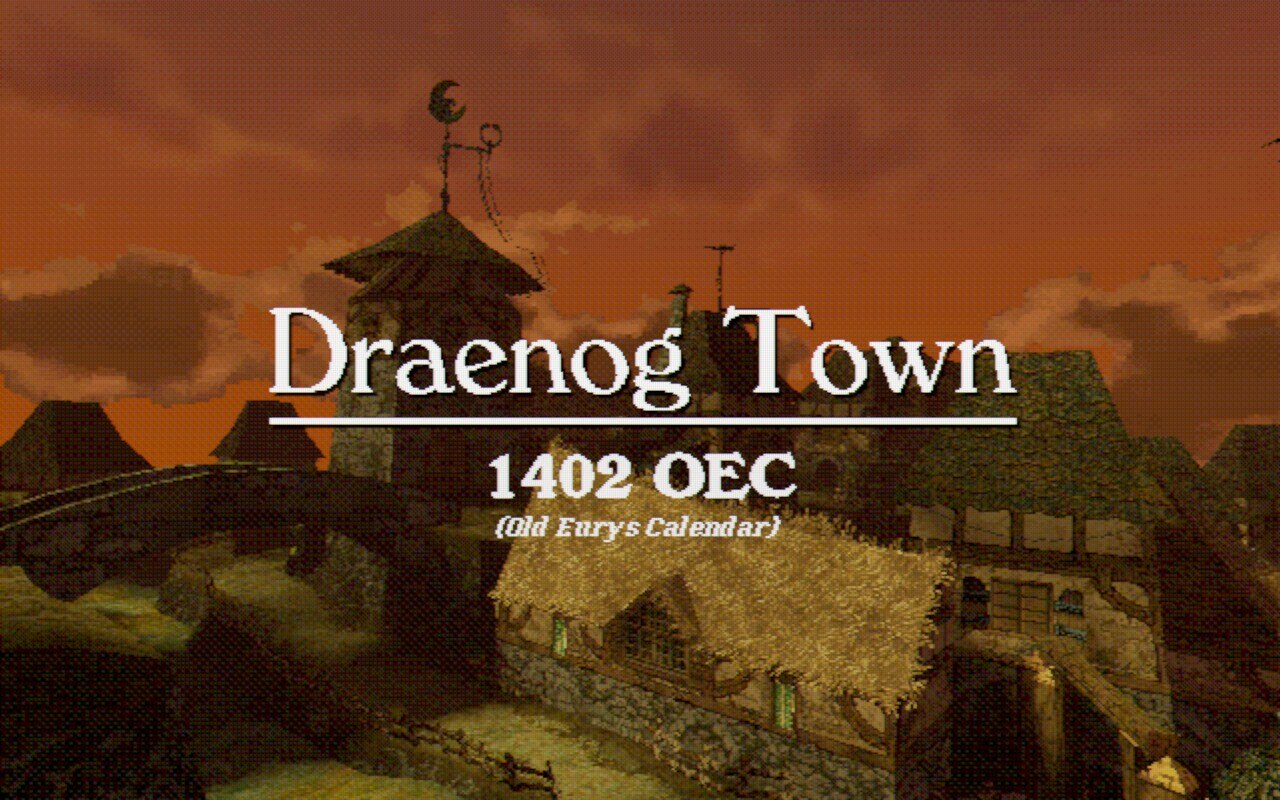
Entropy's specific flavor of post-apocalypse also rhymes with Fallout 1—it's desolate and in your face in this similarly striking way, with what little levity there is feeling like a remnant of the pre-collapse world, such as the play in Entropy's opening scene. Another major inspiration for Wragg: Mordheim, a small-unit tactics spinoff of Warhammer first published by Games Workshop in 1999.
Old school
"What I love about tabletop is, it's just pen and paper," Wragg said. "You can house rule stuff as much as you want, so we've got a bunch of custom rules in our [Mordheim] campaign. It really encourages creativity because you make your little guys and you customize them based on how you load out your character.
"Something like Mordheim has so much character customization—almost beyond most video games—because it's tabletop. The developers never actually had to code in the graphics of swinging all these different weapons, and I think that freedom I found really inspiring."
Wragg noted that Entropy's low-fi graphics allow for a similar level of leeway: His team can implement a large number of unique weapons and statuses without each one requiring (or having to seamlessly mesh with other) labor-intensive assets and animations. "I think if we were working in more high fidelity, we would have had to rein in that ambition a bit" said Wragg.
This more tabletop-oriented style of RPG seems to be something of a full circle moment for the developer. He told me that, as part of his earliest hobby-level development on what would become Dread Delusion, he began seriously boning up on tabletop history and how it influences digital RPGs.
"I just found myself being like, why? Why do RPGs do these things?" Wragg told me. "If you're designing an RPG, you have to go back to the source on tabletop games because so many of the systems that exist within modern AAA RPGs, they originated with Dungeons & Dragons and all those other spin-off games and war games.
"It just comes from the core of wanting to understand how games tick. It just feels natural to go back to the roots of tabletop role playing games if you want to work on a role playing game, because they really haven't deviated all that much from them, even at this point."
Entropy is available now in early access on Steam, and it also has a substantial free demo. Elsewhere in our conversation, Wragg talked about how he and his team just love sidequests too much to make a game with a smaller wordcount like they originally planned.
2026 games: All the upcoming games
Best PC games: Our all-time favorites
Free PC games: Freebie fest
Best FPS games: Finest gunplay
Best RPGs: Grand adventures
Best co-op games: Better together
The Tetris Company confirms it had nothing to do with the White House's racist rip-off: 'we believe in the power of connection and bringing people together, not dividing them'
One of the many things making this feel like a particularly dumb epoch to be living through is the way the US government has taken to using videogames as a tool for self-aggrandizement and disseminating its pro-war and anti-immigration messages. A bunch of people who usually argue politics should be kept out of videogames have suddenly found themselves defending the use of videogames in politics, and the rest of us are rendered stupider for having to pay attention to the circus.
As a reminder, we've seen the Department of Homeland Security make a Pokémon mashup about how they "gotta catch 'em all", the White House use AI to dress Trump up as Master Chief from Halo after which Homeland Security decided "Destroy the Flood" was an appropriate recruitment message, and then the US government started using Call of Duty and Grand Theft Auto memes to promote its war in Iran.
Most recently, the White House launched an arcade section on its website containing terrible knock-offs of games like Flappy Bird, Snake, and Tetris. The Tetris game is particularly baffling. Reskinned as Build the Wall, it becomes a game of defeating a "zombie border siege" on the helpfully labeled "Southern Border" in case you missed the subtlety of its theming, where you stack up tetrominoes that never clear while zombies march toward the blocks.
The Tetris Company was motivated to respond. Posting on Instagram, it wrote, "At Tetris we believe in the power of connection and bringing people together, not dividing them. To our fans everywhere: we love you, we see you, and we're grateful to have you in our community."
This was accompanied by two clarifications. "P.S. The Tetris Company was not involved in the creation of 'Build the Wall'." And then, "P.P.S. We take copyright infringement very seriously."
They're not alone in being frustrated by this usurping of videogames to be used as propaganda tools by a conservative government, when it's usually the conservative position that culture, whether the "Hollywood liberals" or videogames with women in them, should stop being so goshdarn political. Halo's co-creator Marcus Lehto called the appropriation of his work "absolutely abhorrent", and The Pokémon Company has also pointed out "permission was not granted for the use of our intellectual property."
2026 games: All the upcoming games
Best PC games: Our all-time favorites
Free PC games: Freebie fest
Best FPS games: Finest gunplay
Best RPGs: Grand adventures
Best co-op games: Better together
Bungie verkleint zijn hoofdkantoor drastisch na moeilijke jaren
Het is algemeen bekend dat Bungie op verschillende gebieden grote problemen heeft gehad, dat de Destiny-serie niet meer zo goed presteert als vroeger, en dat het grote project, Marathon, ook niet veel spelers heeft aangetrokken. Dit heeft geleid tot aanzienlijke ontslagen, en kort nadat Sony het bedrijf overnam, had het ongeveer 1.600 medewerkers, terwijl dat aantal tegenwoordig naar verluidt rond de 500 ligt.
Dit heeft natuurlijk gevolgen, en The Game Post meldt nu dat het bedrijf zijn bijna 20.000 vierkante meter grote faciliteit in Bellevue heeft onderverhuurd. De studio bevestigt dit zelf in een verklaring en merkt op dat hoewel het in Bellevue zal blijven, het nu alternatieven overweegt:
"Bungie onderzoekt opties om zijn campus in Bellevue, Washington te onderverhuren. De studio is enkele jaren geleden overgestapt op een digital-first model, en deze stap weerspiegelt de veranderende werkplekbehoeften van het team en de effectiviteit van de remote samenwerking. Bungie zal een fysieke kantooraanwezigheid in Bellevue blijven behouden."
Wat er voortaan met Bungie zal gebeuren, is onduidelijk. Sony heeft het bedrijf overgenomen voor 3,6 miljard dollar, en veel fans vinden dat dat een twijfelachtige beslissing was. Ten tijde van de overname werkte Bungie naar verluidt aan zes games, hoewel de meeste daarvan volgens een nieuw rapport lijken te zijn afgedankt.
Gerücht: Guerrilla macht ein Killzone Remaster/Remake mit externem Studio
Wir haben kürzlich berichtet, dass Guerrilla Games beschlossen hat, sein kommendes Live-Service-Spiel Horizon Hunters Gathering neu zu starten (obwohl das andere Live-Service-Spiel, Horizon Steel Frontiers, nicht betroffen ist) und die Entwicklung einfach von vorne zu beginnen.
Es gab massive Kritik daran, dass Sony Ressourcen auf diese Weise ausgibt, Spiele entwickelt, die Milliarden kosten, und sie dann einfach absetzt, und nun berichtet Mp1st, dass Sony und Guerrilla dies möglicherweise zu Herzen genommen haben. Sie schreiben, dass ihre Quellen sagen, Guerrilla habe sich daraufhin entschieden, ein Remake von Killzone zu beschleunigen.
Der Plan war, dass es das nächste Spiel des Studios nach Horizon Hunters Gathering wird, aber inzwischen haben sie ihre Meinung geändert und arbeiten mit einem externen Studio daran. Bluepoint wäre die naheliegende Wahl gewesen, aber wie wir wissen, wurden sie eingestellt, und laut derselben Quelle ist es stattdessen Outriders-Entwickler People Can Fly, der die Ehre erhalten hat.
Es ist unklar, auf welchen Killzone Titel sich das bezieht, aber es handelt sich wahrscheinlich um das erste Spiel von 2004.